

The Mark
Discovering authenticity in a counterfeit world

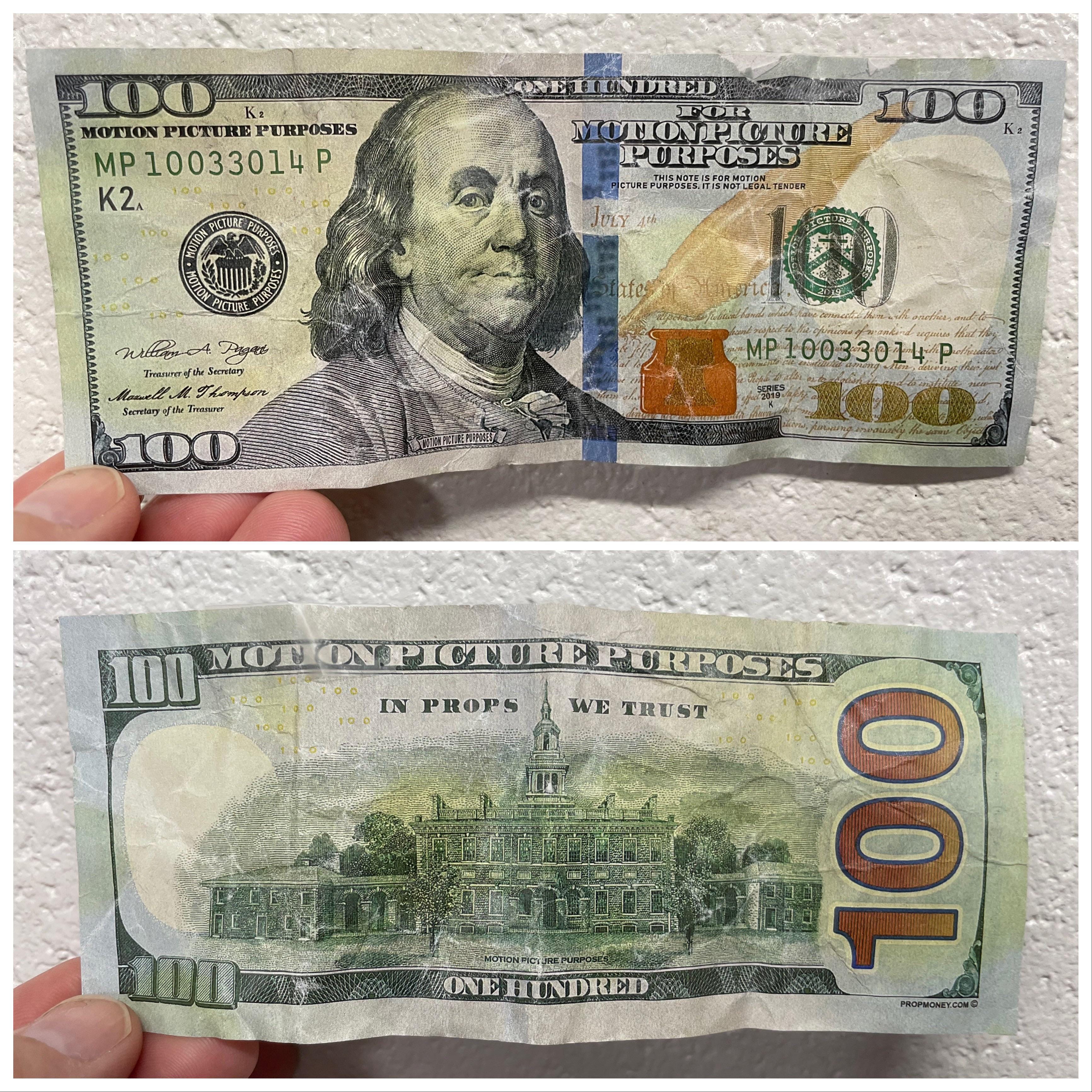
A few years ago, our family was on vacation with my parents. After I had paid for some groceries, my dad, realizing he had missed a chance to pay and bless me, did a sweet fatherly thing and slipped me a $100 bill.
About a week later, my phone rang.
“Hey,” he said, “don’t use that $100 I gave you.”
Turns out it was counterfeit. Obviously fake…but neither of us had noticed.
Honest mistake - a joke bill had slipped in with his real money and it was close enough to the real thing that he handed it to me. Had I attempted to use it, a cashier would have gotten that magic marking pen and revealed it to be a fake…and I would have unwittingly become a federal criminal. The wild thing was this: it felt real in every way. I never once stopped to scrutinize it because it didn’t give me any reason to - counterfeit money only works if it resembles authentic currency. And this sure did.
That’s what makes Revelation 13 and 14 so unsettling.
The beast in Revelation is not presented as cartoonishly evil. It is presented as compelling. Powerful. Miraculous. Worthy of admiration. The language surrounding the beast intentionally echoes the language Scripture uses about Jesus himself. One of the beast’s heads appears mortally wounded and yet lives. The nations marvel. The world worships.
It’s mimicry.
The dragon cannot create, so he counterfeits.
And that may be one of Revelation’s sharpest insights: evil rarely introduces itself as evil. Counterfeit gods do not arrive announcing themselves as destructive. They come draped in the language of freedom, justice, love, authenticity, peace, fulfillment, even spirituality.
Every counterfeit borrows from something real.
The sales pitch of every idol and false god promises not merely satisfaction, but superior satisfaction. Not merely meaning, but meaning without surrender. Freedom without obedience. Identity without holiness. Spirituality without repentance. Every false god promises superior satisfaction. Meaning without surrender. Freedom without obedience. Spirituality without repentance.
Revelation pulls the curtain back and says: look closer.
Because there are only two kingdoms in the end: the Lamb and the beast.
One forms people through worship of the crucified and risen Christ. The other forms people through imitation and deception. Revelation describes both groups as being “marked.” One bears the name of God; the other bears the mark of the beast. The imagery is less about microchips and more about allegiance. What has shaped your loves? What owns your loyalty?
Revelation is apocalyptic. And apocalypse means unveiling. The revealing of what was once hidden.
The cashier’s magic pen reveals whether the currency is authentic or counterfeit. Scripture is clear in revealing that there is a God who designed you, made you on purpose for a purpose. And there are also counterfeit gods competing for your attention and affection. The choice then belongs to you.
Which marks your life?